Nature – our first Scripture
AN NÁDÚR – ÁR gCÉAD SCRIOPTÚR

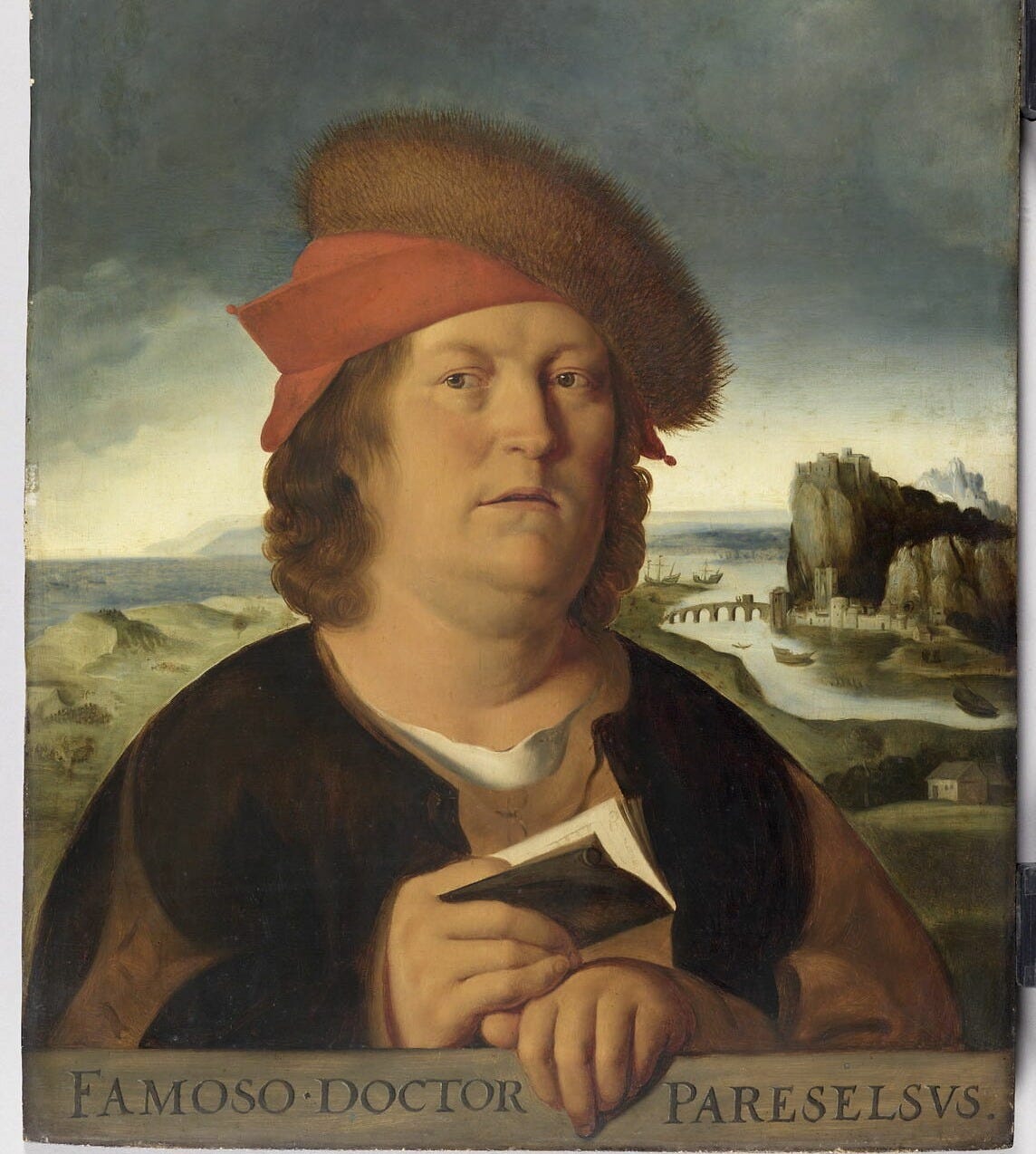
The Swiss-Austrian physicist, Paracelsus (1493-1541) identified the healing powers of our natural world which we have forgotten about and abused to our peril. “The art of healing comes from nature, not the physician. Therefore the physician must start from nature, with an open mind.” So I am nudged to share some thoughts around nature with you as our days lengthen and we walk hand in hand with the cosmos around us.
Biophilia, the love of nature and all existing matter, is the supreme virtue of a whole-hearted life. Something deep inside us awakens when we stand and watch the dawn appear and the sun disappear. I was never at home in the garden. When the Creator was dolling out hortophilia – the yearning to plunge our hands into the moist earth, – I was absent, at that moment, but not when she was sprinkling biophilia around! Weeding, pruning, planting and watering flowers leave me cold. Cultivated plants, not wild ones, demand great trustworthiness on irrigation and human nurture. Although I LOVE to receive flowers as a gift, it saddens me when they decay and foul smell and I have to return them to finally die in their original habitat of the compost heap. The existence of a flower is as Emily Dickinson would say “profound responsibility”.
I do appreciate its therapy for people, though. Oliver Sachs, the British neurologist and naturalist, once wrote that in all the forty years of his medical practice, he observed , that the two great antidotes to chronical neurological diseases were, gardens and music. Give me music any day!
In Persian literature, the word garden - Parideza - means Paradise. Not for me! I identify more with the notion that the French philosopher Voltaire had of heaven: “wherever my travels may lead, paradise is where I am.” Although I can only imagine the satisfaction people of observing a perfectly planted patch, my brush in ageing with nature, has all to do with trees.
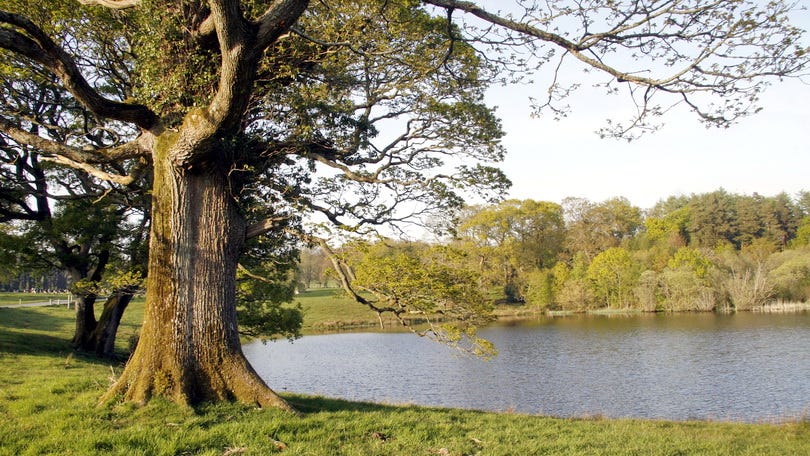
The Irish word for a tree is crann, pronounced ‘crown’ and when I stand beneath trees, the crown of my head tingles and throbs with delight. A tree is such a symbol of life; limbs, dancing to the rhythm of the wind, roots, firmly planted and surefooted, trunks, stretching tall and upright into the heavens, barks, ageing gracefully with impeccable wrinkles. Richard St. Barbe Baker, an English botanist, passionate about trees, urges us to become like them and to learn from them. His advice is to “be like a tree in pursuit of your cause. Stand firm, grip hard, thrust upward. Bend to the winds of heaven. And learn tranquillity.”
Trees are sacred. All Scriptures acknowledge this. From the Judaeo-Christian texts, the earliest dendrophiles, or tree lovers, are Adam and Eve who ate the forbidden fruit from the Tree of Knowledge in Paradise. Abraham settled, near a sacred grove of turpentine trees, where God appeared to him. The same Abraham had a vision , sleeping under an old sacred oak tree. The prophetess, Deborah, sat under a sacred palm tree when Israel’s children came to her for justice, and she was buried under the sacred oak of Beth-El. Jesus taught in the sacred olive grove of Gethsemane, and retreated to there , on the night of his death.
Be very careful before you cut down a tree, Deuteronomy, the fifth book of the Torah warns. ‘ …you must not destroy its trees by wielding an axe again them. Although you may take food from them, you must not cut them down. Are trees in the field human beings that they should come under siege from you? You must destroy only the trees that you know do not produce food..’Deut. 20
My favourite biblical image is from the Gospel of Mark, Chapter eight. The Son of God holds the hand of a stooped -over blind man and leads him a little out of the village for some time on their own. “Tabhair dom do lámh” – ‘give me your hand’ as we say, in Irish. In their aloneness, Jesus lays his hand upon him, and blesses his eyes, with his own saliva. “Can you see anything”, he asks. Looking up, the blind man says; “Yes I see people, but they look like trees walking.” The job is not complete . Sight is brought back but only partially. So Jesus blesses his eyes yet again and “sight is restored and he saw everything clearly.”
Walt Whitman knew this when he revealed his salvation as he rallied from paralytic stroke in his ageing years: “After you have exhausted what there is in business, politics, conviviality, love, and so on — have found that none of these finally satisfy, or permanently wear — what remains? Nature remains; to bring out from their torpid recesses, the affinities of a man or woman with the open air, the trees, fields, the changes of seasons — the sun by day and the stars of heaven by night.”
No two trees are the same. Like ourselves, each one is unique, and has its own story to relate. Every one stands still, tranquil, until its long life calls it back. They mirror our life cycles: born from a seed, they breathe and drink, grow to maturity and eventually die of old age or disease. Branches and roots resemble human blood vessels; spirited conscious beings, deities. Look at the dead branches and leaves, the knots, which are our bunions and warts. The creased bark mirroring our wrinkles. Trees are the perfect presence and balance of the perennial wheel of the year cycle; stark, skeletal spirits in the winter; playful splashes of green leaves in the spring; glowing red and yellow autumnal auras. “ If we surrendered to earth’s intelligence, we could rise up rooted, like trees”, the poet Rilke believed. I have the following poem for years in my mound of notes by John Wright, the 19th century Scots poet. It is a gem of dendrological – the study of trees – imagination. The perfect recipe for a contented Imbolc of life season: quit driving and walk; turn off the news media and sit in the shade and become a storyteller.
Let the trees be consulted before you take any action
every time you breathe in thank a tree
let tree roots crack parking lots at the world bank headquarters
let loggers be druids specially trained and rewarded
to sacrifice trees at auspicious times
let carpenters be master artisans
let lumber be treasured like gold
let chain saws be played like saxophones
let soldiers on manoeuvres plant trees give police and criminals a shovel
and a thousand seedlings
let businessmen carry pocketfuls of acorns
let newlyweds honeymoon in the woods
walk don’t drive
stop reading newspapers
squat under a tree and tell stories.”
The earliest spirits of Greek mythology were oak trees called dryads – which is closely linked with the English ‘druid’. Furthermore, an Oak in Irish is ‘dair’ again a close relative of ‘druid’. Always linked to the sacred, apparently the oak tree was the first created by God from which sprang humanity. To the Celts, the oak was revered as the king of trees, the beech, the queen. The oak is a portal to enter other dimensions where we perceive different worlds – a gateway between this visible and invisible world.. An oak forest once entered, is never forgotten. Therein, is the healing of spirit and soul. Before the advent of Christianity, couples married under an oak tree, sensing its hospitality and perseverance, hallmarks of a good relationship. There are over six hundred cosmic species, and an oak can stand for seven hundred years outliving all others trees, except the yew, of longevity. Because it is so deeply rooted, it helps weary feet, when we contact the earth nearby. Brigit, on whose feast day I write to you, loved the Oak and had one growing in her monastery in Cill Dara – Kildare, the church of the Oak. It still proudly stands, I believe. No weapon was permitted to touch this tree at any cost.
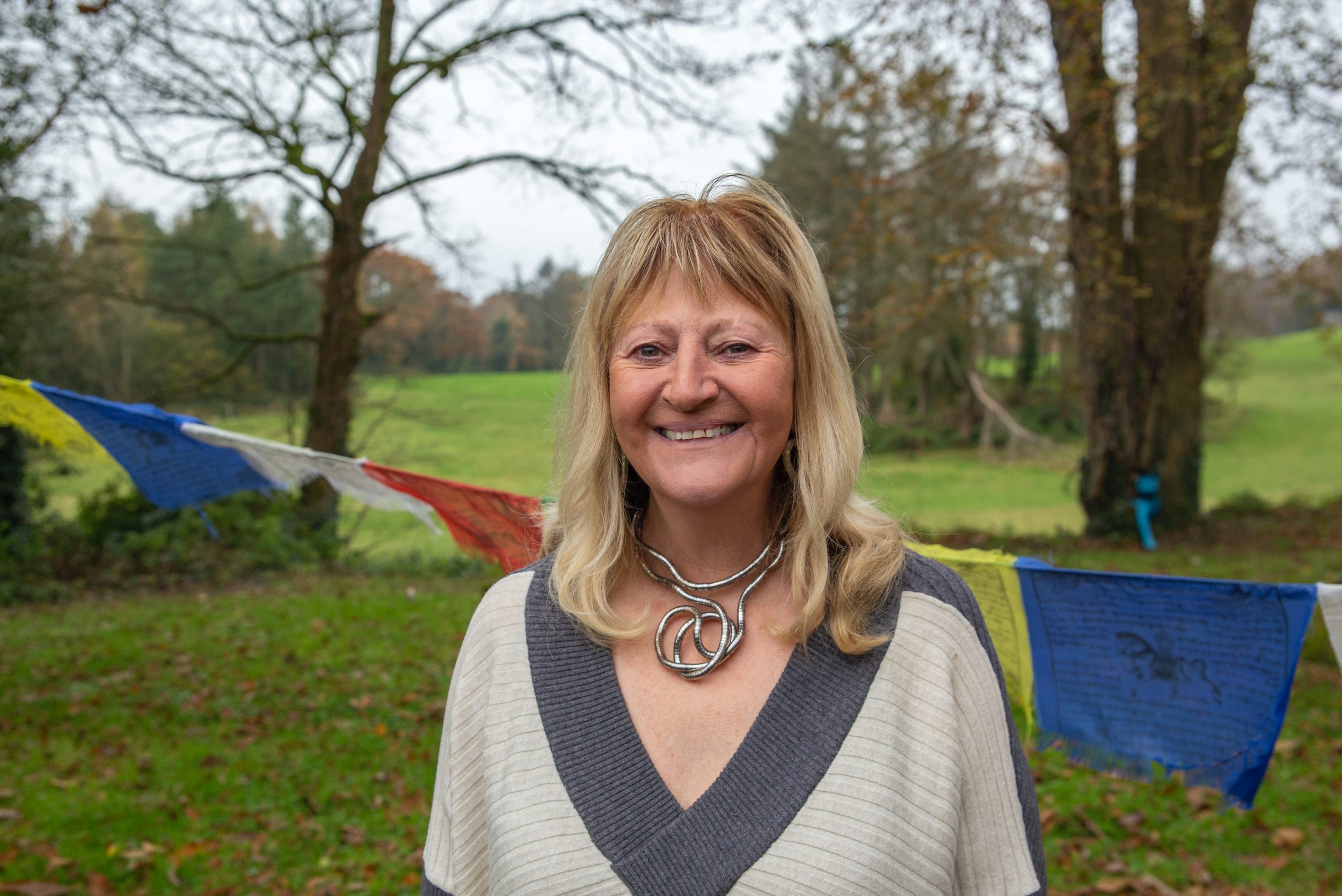
My small garden “ar c.ul an tí” – at the back of my home, is residence to six magnificent trees which mind me daily; two hazels, two oaks and two beeches. My living room has two windows on either side spanning the width of my little sanctuary, Imeall, the Irish word for boundary or edge, since I am on the threshold between Glenstal Abbey on the one horizon and the world beyond on the other.
When I look to my left, I behold an enclosed ridge of miscellaneous evergreen trees and high plants. At this time of Imbolc, the catkins from these shrubs wave in at me daily, in slow steady gestures . These drooping spirits stay only a short while, taking their opportunity to pollinate before the leaves appear, which would hinder their pollen delivery. The miracle and wisdom of Mother Nature where the motto is ‘everything in due season’.
To my right on the monastery threshold I see the most magnificent sights of my six best tree friends that I converse with everyday. The word ‘tree’ shares the same root as ‘true’ and indeed they are my true anam charas that shelter me, mind me and indeed heal me. Míle buiochas, a Spioraid gCrann!
Greetings Rev, holy spectacular!
I remember learning the world biophilia when I was at university studying herbal medicine. Still to this day is one of my favorite words. Loved reading this. Thank you.